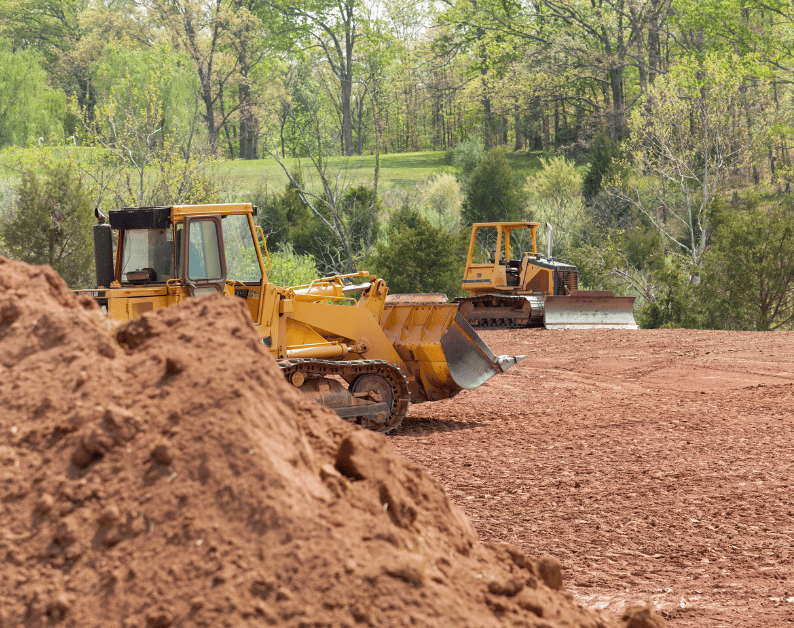
Residential, cabin, and homestead site clearing is a critical first step for homeowners, cabin owners, or rural landholders looking to prepare their property for construction, landscaping, or simply creating usable and safe outdoor space. This process involves removing trees, brush, stumps, and other natural obstacles to make the land accessible and ready for your intended use. For those considering site clearing, gaining a clear understanding of the process, benefits, and expectations can significantly improve project outcomes and satisfaction.
What Is Residential, Cabin, and Homestead Site Clearing?
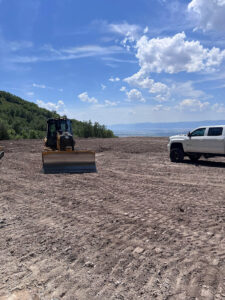
Site clearing refers to the comprehensive removal of vegetation and debris from a piece of property so it can serve its intended purpose effectively. This may include clearing brush, cutting down trees, stump grinding, leveling the ground, and preparing the area for further work such as building, gardening, or fire risk reduction.
Whether you own a residential lot in a suburban area, a remote cabin in the mountains, or a homestead with acreage, site clearing is often a necessary step to make the land safer and more functional. With Utah’s diverse landscape, many properties feature dense brush, steep terrain, or wildfire-prone vegetation, making professional site clearing both a practical and often required service.
Why Consider Site Clearing?
The decision to clear your property impacts safety, usability, and value. Below are some of the key reasons for site clearing:
-
Safety: One of the primary reasons homeowners choose site clearing is to reduce wildfire risk. Removing dead trees, dense brush, and overgrown vegetation greatly decreases the chances of fire spreading, which is especially important in Utah’s dry climate.
-
Improved Property Value: A cleared, well-maintained lot is far more attractive to potential buyers. It signals that the property is accessible, safe, and ready for use, which can increase resale value when the time comes.
-
Usable Outdoor Space: Clearing opens up areas for landscaping, gardening, recreational use, or expansions like patios and decks. This transforms previously unusable or hazardous land into enjoyable and functional space.
-
Access for Construction: Whether you are building a new home, installing utilities, or putting in driveways, site clearing provides the clear areas necessary for equipment and workers.
Key Steps in the Site Clearing Process
Understanding what the site clearing process entails helps homeowners prepare and communicate effectively with their contractors, making it easier to track progress and avoid surprises.
Initial Assessment
The first step involves a professional visiting the site to evaluate the terrain, the types of vegetation present, and the overall scale of the clearing project. This phase includes identifying any trees or plants that need to be preserved due to environmental, aesthetic, or regulatory reasons.
Planning and Permits
Depending on the property’s location and the clearing scale, permits or approvals from local authorities may be necessary. Planning also involves determining how and where debris will be removed or disposed of, ensuring compliance with local rules and environmental guidelines.
Vegetation Removal
This is the main phase where brush, shrubs, small trees, and other vegetation are cut and removed. Specialized equipment like brush cutters, chainsaws, mulchers, and mowers are used during this step to efficiently clear the area.
Tree Removal and Stump Grinding
For larger trees, experts carefully remove the trunks and branches using crane-operated saws or heavy machinery. After removing the tree, stump grinding follows to eliminate the remaining trunk and prevent regrowth. This step also removes tripping hazards on the property.
Excavation and Grading (If Necessary)
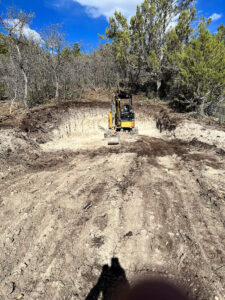
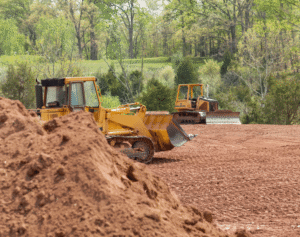
If your project requires a level or shaped building pad or improved drainage, excavation and grading are completed after clearing. Excavation removes rocks and roots, while grading ensures water flows correctly to prevent pooling or erosion issues.
Final Cleanup and Site Restoration
The last step removes leftover debris, hauls it away from the site, and restores disturbed areas. Many homeowners choose to keep cleared wood for firewood or mulch, which can be discussed ahead of time.
What Property Owners Should Expect
Working with Professionals
Choosing an experienced land clearing contractor is essential. Professionals ensure safety on site, adhere to local environmental regulations, and use proper disposal methods for cleared vegetation. They also bring the right equipment to handle various terrains and vegetation types efficiently.
Costs to Consider
The cost for site clearing varies widely depending on several factors, including:
-
Size of the property being cleared
-
Density and types of vegetation present
-
Accessibility and difficulty of the terrain
-
Equipment and labor needed to complete the work
-
Expense of permits, debris removal, and disposal
Requesting a detailed estimate that breaks down these elements will help avoid surprises and allow for better budgeting.
Expected Timeline
The duration of a land clearing project depends heavily on the site’s size and complexity. Lightly vegetated small lots can often be cleared in a few days. On the other hand, heavily wooded or rugged properties may take several weeks to clear completely.
Environmental Considerations
Many contractors now practice sustainable clearing methods designed to reduce impact on soil, waterways, and wildlife habitats. These might include selective clearing, erosion control, and re-vegetation of critical areas. It is important to discuss these environmental safeguards with your contractor before work begins.
Benefits of Site Clearing
| Benefit | Description |
|---|---|
| Increased Safety | Significantly lowers wildfire danger and improves emergency access to your property |
| Enhanced Curb Appeal | Opens up clean, attractive views that boost your property’s appearance |
| Expanded Usability | Creates space suitable for building, gardening, and recreational activities |
| Pest Prevention | Removes thick brush and dead trees that harbor harmful insects and rodents |
| Compliance with Regulations | Makes it easier to meet fire prevention and land use laws |
Preparing Your Property for Clearing
Before your contractor arrives, there are several important steps you can take:
-
Mark locations of underground utilities and irrigation systems to prevent damage.
-
Identify any trees or plants on the property you want preserved.
-
Remove vehicles, furniture, and personal belongings from the area.
-
Have a clear conversation with your contractor on your project goals and concerns.
-
Discuss how cleared debris will be handled and whether site restoration will be included.
Frequently Asked Questions
Will clearing my land damage the soil?
Professional contractors work carefully to minimize soil disturbance and often suggest steps like reseeding or putting in erosion control materials after the clearing is completed.
Is it safe to clear the land myself?
Small sites may be manageable, but large or heavily wooded lots require knowledge, experience, and equipment that professionals provide to ensure safety and efficiency.
How often should I clear my land?
Maintenance depends on how fast vegetation grows and local fire conditions. Many schedule clearing once every few years or align it with community wildfire prevention efforts.
What permits do I need for land clearing?
Permit requirements vary. Your contractor can assist in determining which permits apply and help with the paperwork.
Conclusion
Residential, cabin, and homestead site clearing is vital for turning untamed land into safe, usable, and appealing property. Knowing what’s involved in the process, the benefits it delivers, and what to anticipate will make your project much smoother.
Working with experienced professionals ensures the job is done safely, legally, and with respect for your land and local environment.
By planning carefully, communicating clearly, and preparing your property properly, you can achieve the clear, functional space you envision and enjoy peace of mind in the years ahead.